A modular painting project based on the principles of openness and spatial variability.
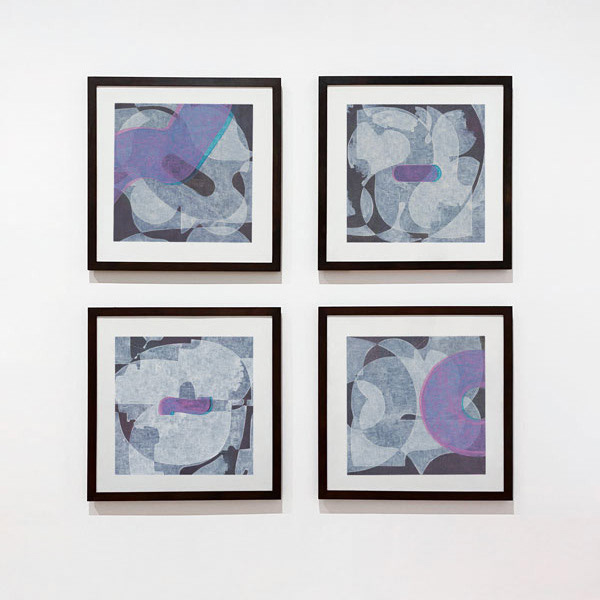

The project began with a series of small-format paintings, initially conceived as autonomous works. Over time, their true potential emerged when placed side by side. Arranged together, they began to function less as individual paintings and more as elements of a larger visual system resembling a mosaic or a tiled architectural surface.
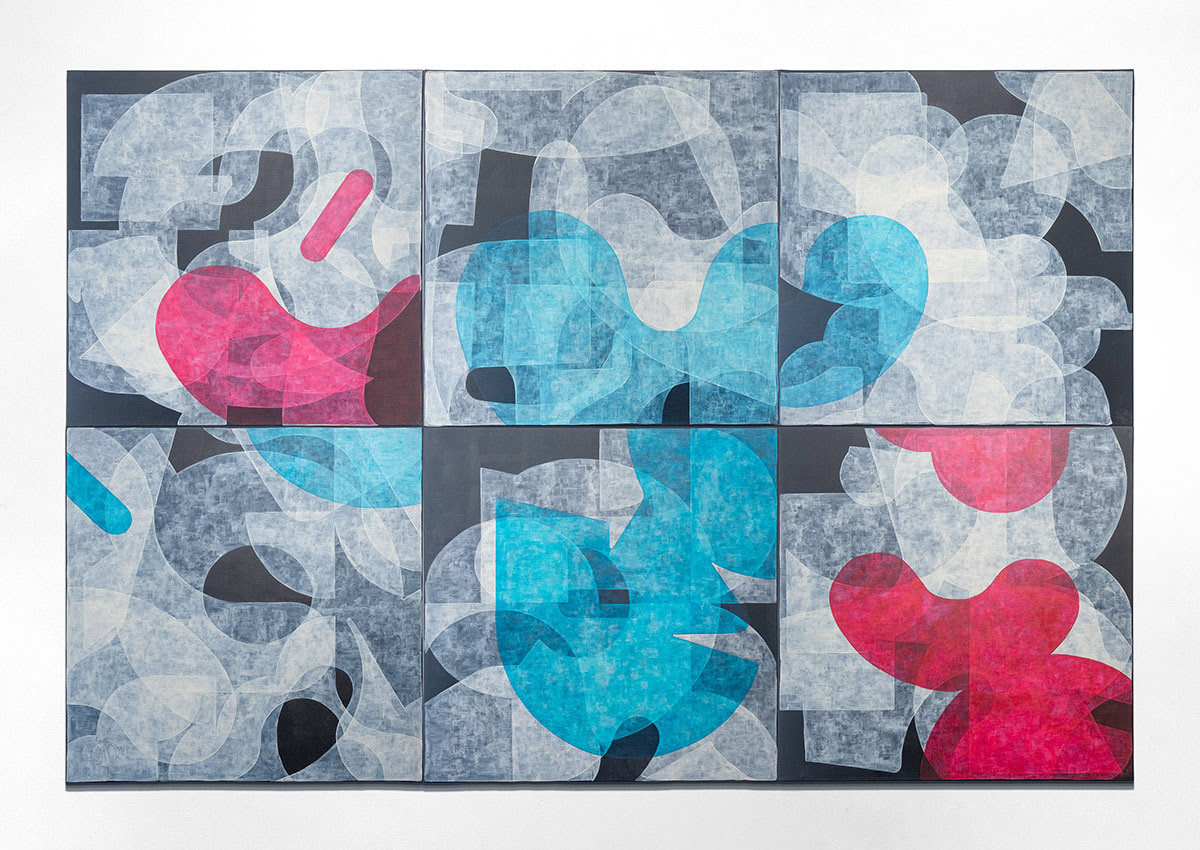
This shift marked a fundamental change in the project. The work was no longer a single painting, but a structure expandable, adaptable and responsive to space. There is no definitive composition. Each installation becomes a temporary configuration, shaped by context.
The reference to architecture is central. The modular logic echoes the tradition of Portuguese azulejos - ceramic tiles that form rhythmic, repeatable systems within public space. However, unlike fixed architectural surfaces, Infinity remains fluid. The arrangement can be expanded, reduced, or reconfigured.


The second stage of the project translated this modular logic into larger formats. Square canvases (80 × 80 cm) were created as independent units, possible to assemble into larger compositions. Scale changed, but the structural principle remained intact.


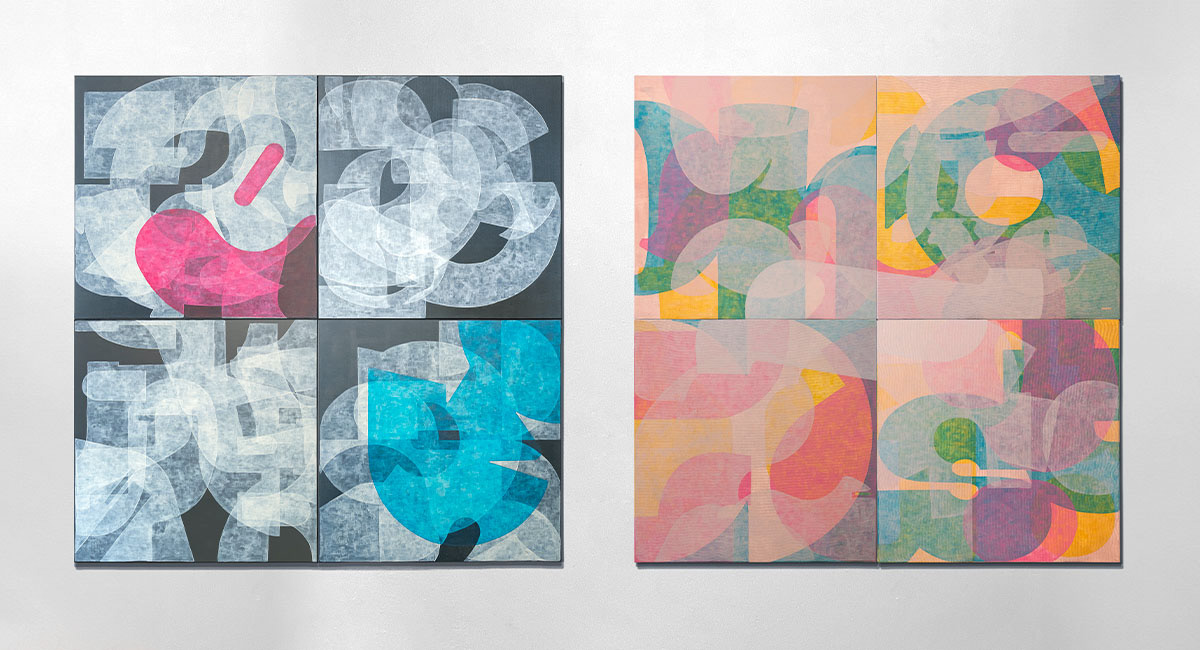
In its most recent development, the project introduces circular paintings into the grid. These elements disrupt the strict geometry of the square while preserving compositional coherence. The arrangement becomes looser, more atmospheric. The circular forms subtly evoke vernacular interior traditions - framed photographs placed above beds in domestic spaces, quiet symbols of memory and intimacy.
Through this progression, Infinity moves from system to structure, and from structure toward memory - remaining open, adaptable, and unfinished.

Through its successive transformations, Infinity continues to evolve as a modular structure rather than a fixed series. Each new configuration, scale, or formal intervention becomes part of an expanding system. The project remains open and responsive to architectural space, context, and time.